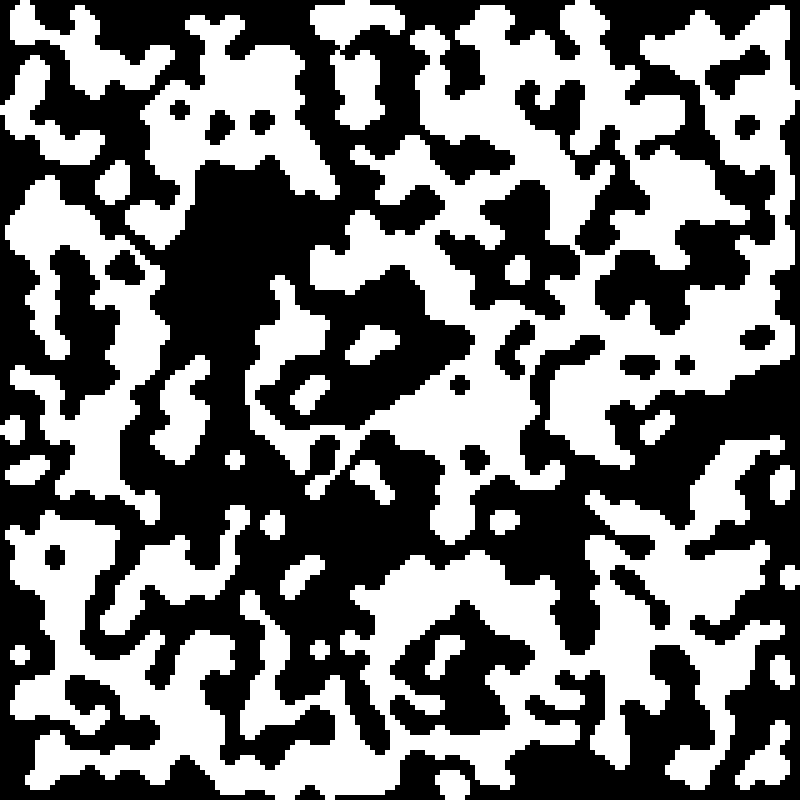
How to develop an algorithm using TDD? In this article we will implement the Diamond-Square algorithm using TDD. This article was inspired by Uncle Bob’s blog post TDD Lesson – Terrain Generation. Well, one of the things I did during the summer was to write an article about “How to Create Terrain and Heightmaps using […]
Can we learn something practical from a pure computer science interview question? In this article we will solve an interview question and optimize it – but we will also look at a practical way to handle data in real life. The problem of finding intersecting numbers between two arrays is simple. Assuming an input of […]
Finding a single unique number in a list containing pairs might sound pretty simple, right? Because a one-sentence description might be misleading, let’s start with an example of an input array: [1,3,17,3,1] Given such an array, the unique number is the one that appears only once (17). The rest of the numbers (1 and 3) […]
The Array Nesting interview question might seem complex at first and very simple after you solve it. But sometimes, a deeper dive into it can expose some more performance optimizations that can be interesting. After this article, you’ll be able to amaze your interviewers with some new insights they didn’t think of! What is the […]
The diamond-square algorithm is a procedural terrain generation algorithm. It makes it easy to generate Heightmaps and Terrain for games. In this article we will implement the diamond-square algorithm in JavaScript, plot our terrain on a canvas and see how a player can interact with its various terrain types. Many games are using Procedural Terrain […]
Collision detection is the basics of entities interaction on canvas. Imagine you have a Player Character (PC) that’s walking through a maze and you’d like to know if this PC bumps into a wall or can keep on going. One can argue that there’s a wall crossing potion somewhere, but let’s assume one doesn’t have […]
Generating a random map on a canvas is fun. In this article you will learn how to generate a random map or maze on an HTML5 canvas. We will use a model called Cellular Automaton. While there are many ways to create a maze (or a map), what I’d like to create is a map […]